Before paying for mold removal, get clear on the problem first. A professional inspection provides lab-backed results rather than relying on a suspicious smell or visible stain.
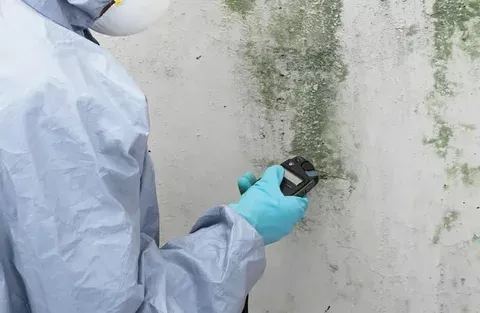
A mold inspection in Killeen does not include removal; separating the two keeps the assessment independent. The inspector begins with a visual check of the property, paying close attention to bathrooms, attics, and places that have had moisture problems. A moisture meter can also find damp materials hidden behind surfaces or in areas where mold is not yet visible. Air samples are collected indoors and compared with one taken outside, because indoor spore levels only make sense alongside an outdoor reference. If needed, the inspector takes surface samples with a swab or tape lift and sends them to a certified lab for testing instead of relying on a visual guess. You then receive a written report containing the lab findings, photographs, and a straightforward account of what was found and where. Removal does not happen during the inspection. The inspection remains a separate service.
Choosing a mold inspector in Killeen should start with one question: will you receive an impartial assessment, or a sales pitch disguised as an inspection? A qualified property mold inspector should provide laboratory-certified results, not a quick verbal judgment followed by an attached quote for removal. AAA Environmental of Texas handles mold damage inspections separately, issuing a dedicated report supported by laboratory findings before you decide whether remediation is needed. Texas law requires that separation when licensed mold work occurs on the same project, helping prevent you from paying for repairs based on a hurried assumption. You end up with a report a contractor, landlord, insurance adjuster, or prospective buyer can rely on because laboratory data supports it, not merely someone’s opinion.
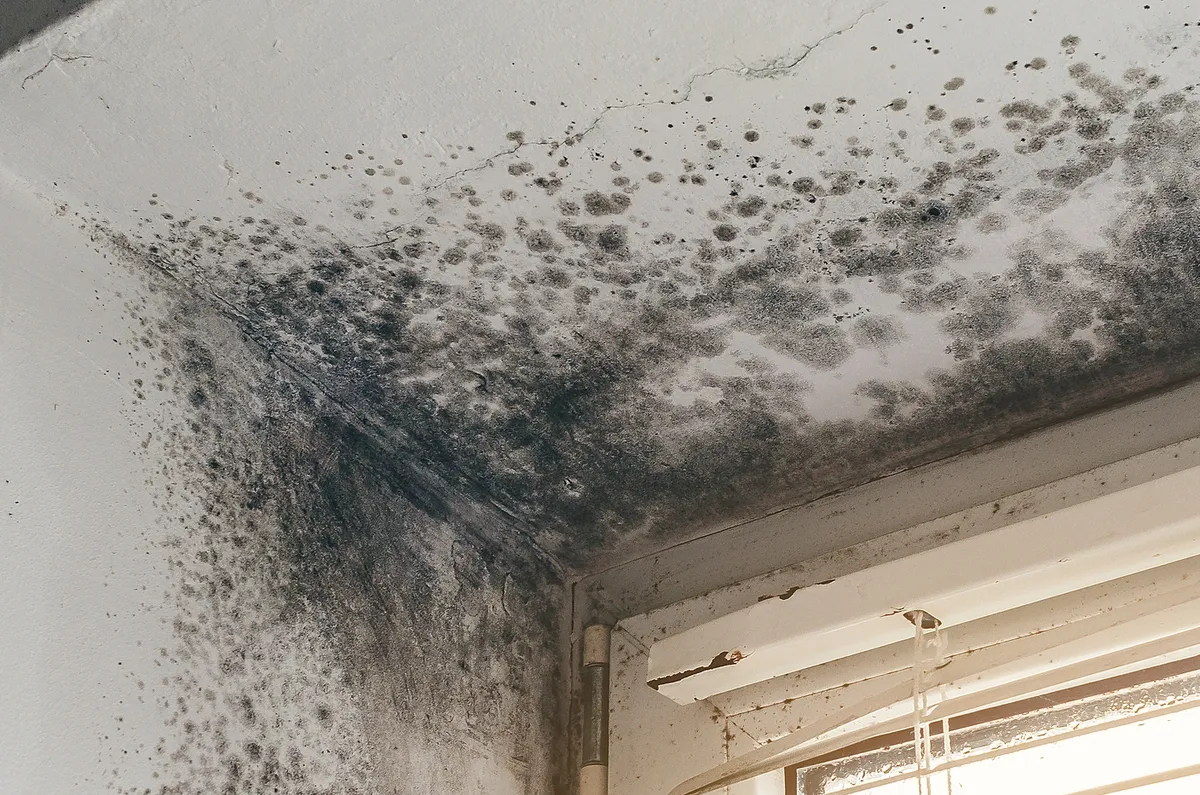
A mold inspection earns its keep when a bad assumption could become expensive. Say you’re buying a home in Killeen and the seller insists that a stain is “just old water damage.” Testing can show whether it’s harmless history or active mold growing behind the surface. If you rent out a property and a tenant notices a musty odor, a written inspection record gives both parties useful evidence if the issue later becomes a dispute. After a leak, the same goes for an insurance claim: a residential or commercial mold inspection report gives the adjuster facts to assess, rather than a description over the phone. The result is simple, a vague concern becomes a practical decision: leave the area alone, keep watching it, or hire a licensed remediation contractor.
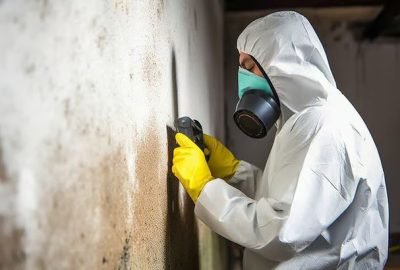
Visual Walkthrough — A technician checks common trouble spots and any areas you’ve flagged as a concern before samples are taken.
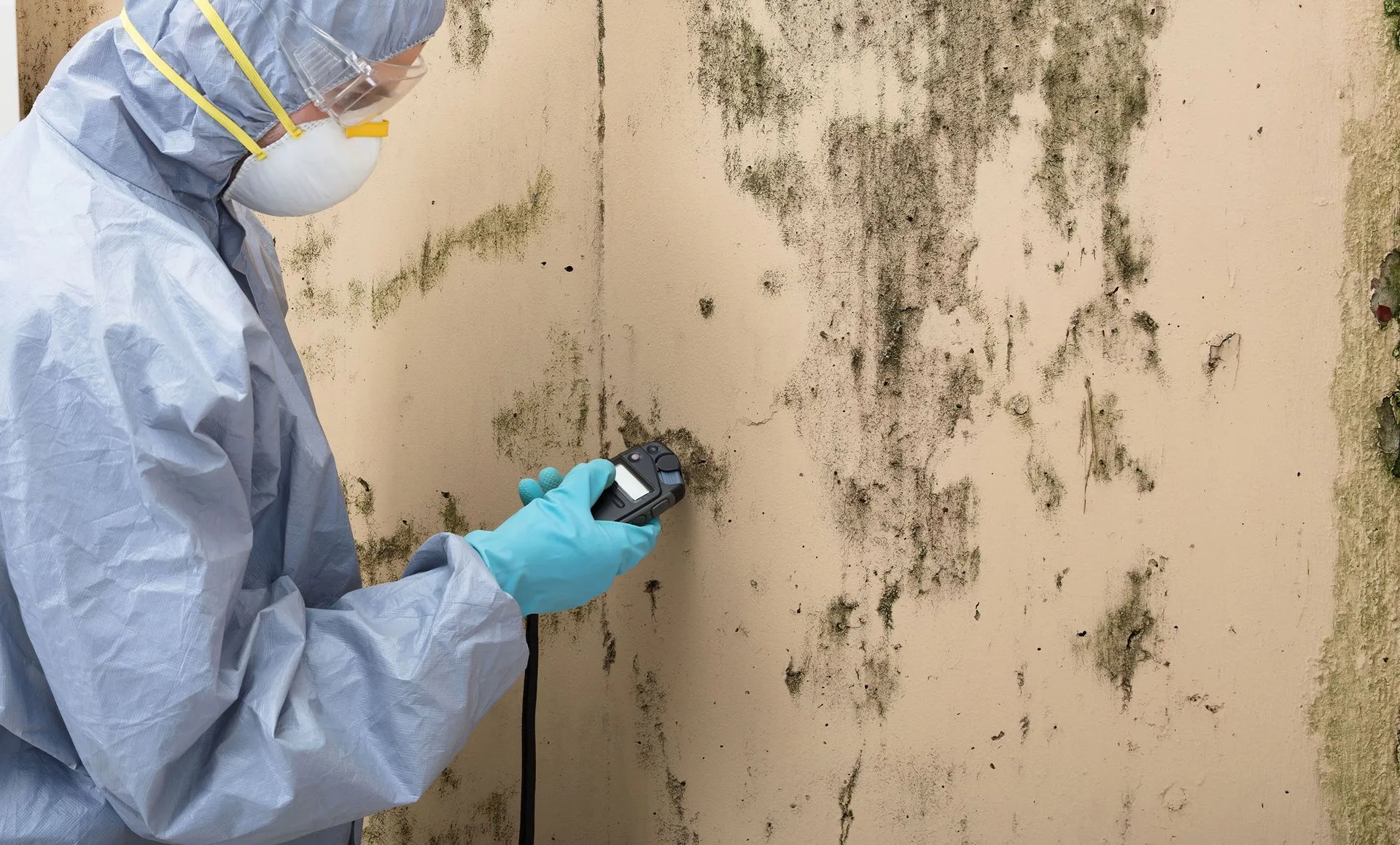
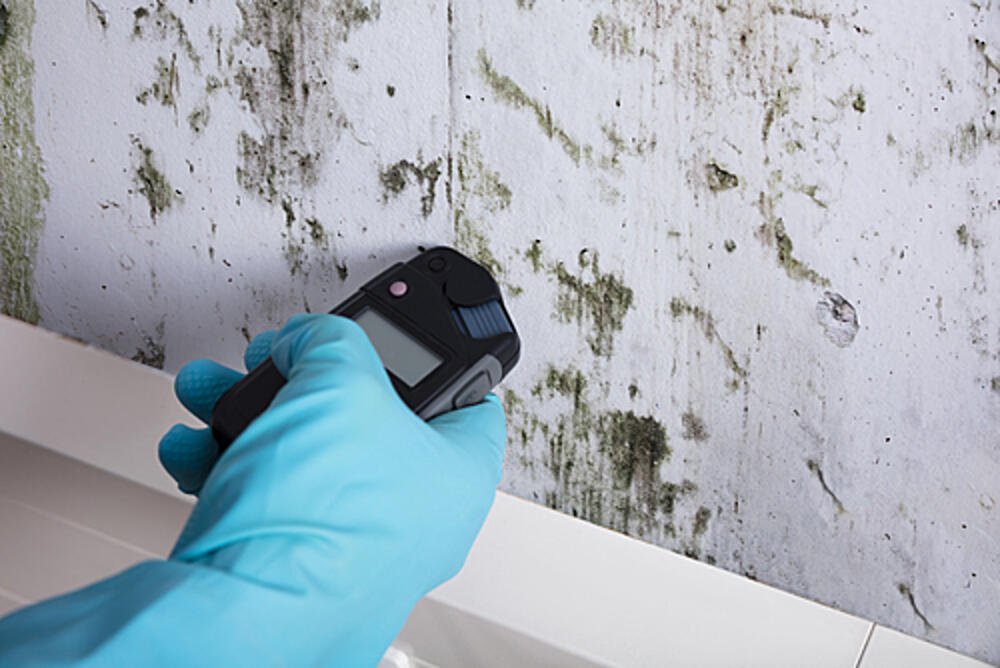
Moisture Mapping — A moisture meter identifies damp building materials, including spots where nothing is visible on the surface yet.
Air and Surface Sampling — Air samples and swab or tape-lift samples are collected and sent to a certified lab for analysis.
Written Report Delivered — Lab results, photos, and a plain-language explanation of findings are handed over, with no removal work bundled in.
An inspection matters only when its findings hold up.
That’s why we send samples to a certified lab, giving you a report based on verified data rather than a technician’s opinion.
The inspection remains independent of any remediation decision, as required by Texas law for mold-related work.
Look up our standing before scheduling. We prefer that you verify it rather than take our word for it.
Documentation prepared for insurance claims, real estate transactions, and landlord-tenant disputes, rather than a casual summary.
An inspection determines whether mold exists and assesses its extent, using laboratory testing to document the findings. Remediation comes afterward: it is the physical process of removing the mold.
Both. A visual walkthrough can reveal obvious trouble spots, while air and surface samples help detect hidden mold and support the findings with laboratory data.
Most arrive within a few business days, although the lab’s workload can affect the timing.
That makes sense for a home with any history of water damage, or if you want written reassurance before closing.
You’ll receive a detailed written report containing the lab findings and recommended next steps. Texas law requires separate contractors for mold assessment and remediation on the same project, and we’ll explain what the remediation contractor should address.
The scope of a mold inspection depends on the property and the reason for the inspection.
We inspect properties for mold in Killeen, TX, and nearby communities. Not sure whether your address is covered? Call us to check.
Providing documented, lab-backed mold inspection services to Killeen, TX properties.
Copyright © 2026 Absolute Rankers, All Rights Reserved.